


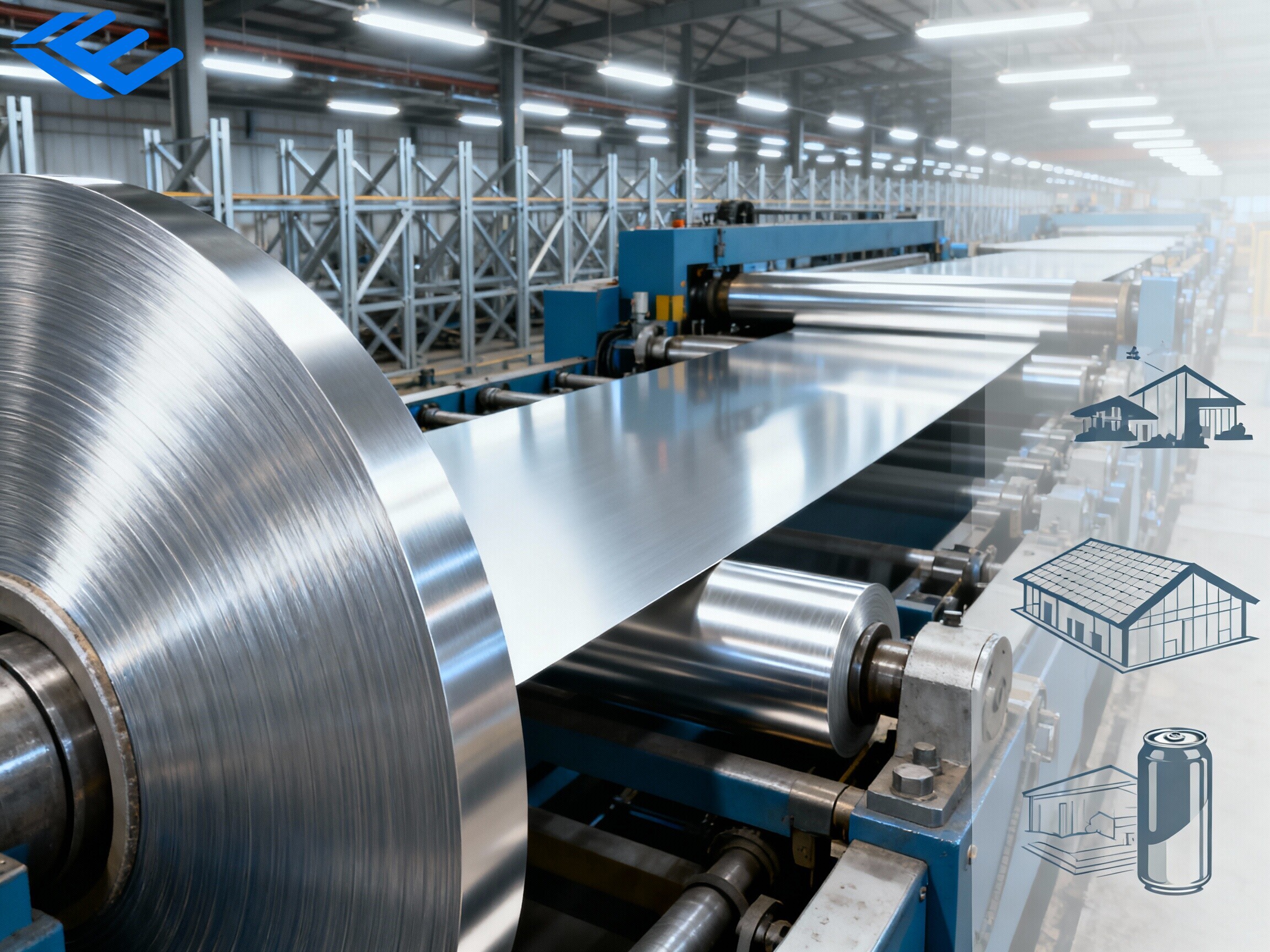
This liquid metal is then formed into different types of ingots or alloys, depending on its final application. Aluminum used for tubing, bars, sheets, and profiles is typically formed into ingots that can be up to 20 feet long (weighing up to 20 tons!), but is extremely malleable. This allows them to be rolled or pressed at varying temperatures and pressures to produce sheets, foils, and other forms of virtually any usable thickness.
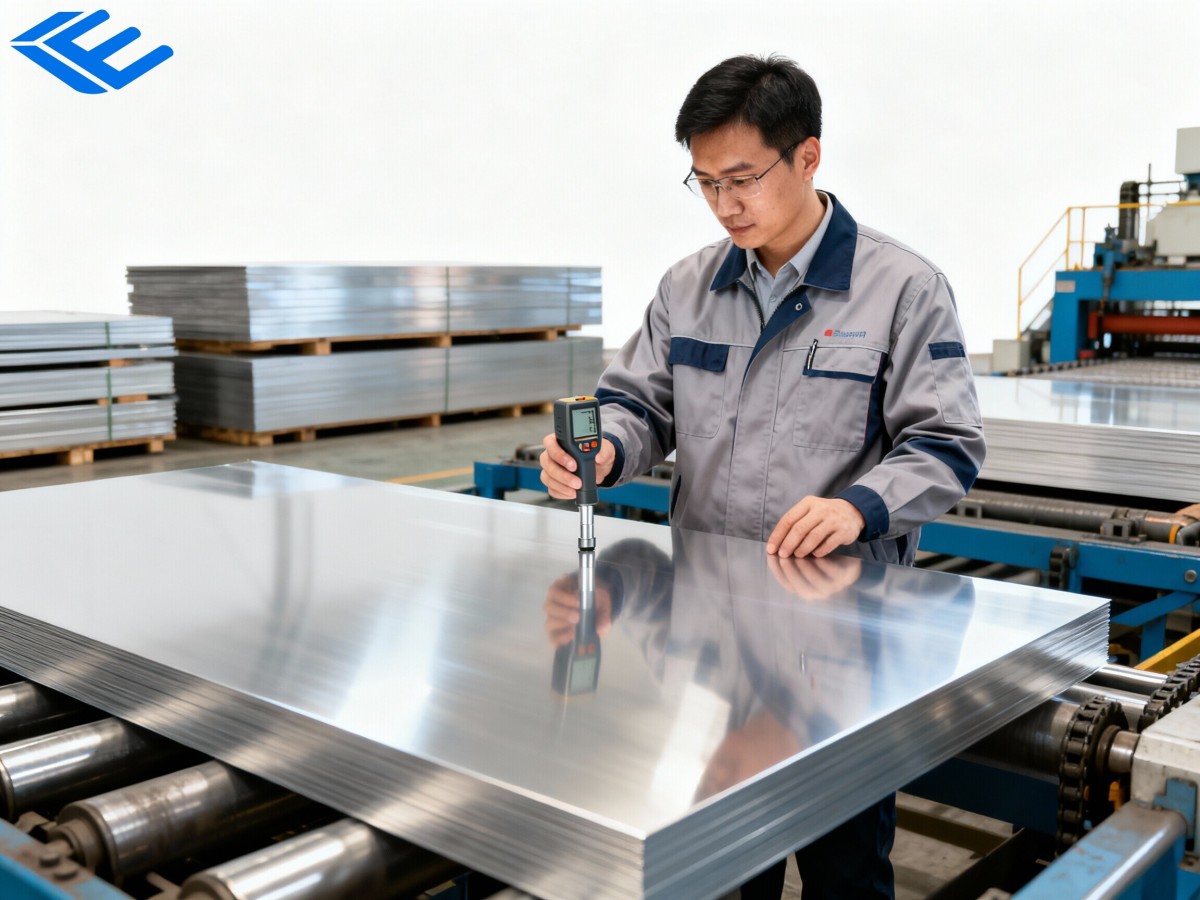
Roofing – Due to its lightweight yet robust nature and excellent corrosion resistance, aluminum roofing panels are one of the most common applications for larger panels.
Artistic Ceilings – Dibond or composite aluminum panels are often used as interior ceiling panels or large tiles, providing a highly decorative and durable design element.
Balconies – Aluminum balcony railings and handrails are common, again benefiting from their lightweight yet robust construction and high weather resistance.
Beverage Cans, Beer Kegs, and Other Food Industry Containers – In addition to a variety of sealed food storage solutions, you will often see reusable aluminum beer kegs from wholesalers and suppliers. This material is also favored because of its non-reactive, non-deteriorating, and waterproof properties, along with its lightweight and economical transport characteristics.
Cable Sheathing – Cable metal sheaths are typically made of aluminum foil and other very thin aluminum sheets because of their relative corrosion resistance (and the ability to become even more corrosion-resistant through various additional treatments), while also possessing excellent mechanical and electrical properties.
Paving and Finishing Panels – Aluminum composite panels are consistently ideal for exterior paving, interior insulation, and other design-oriented panel applications in a wide range of industrial, commercial, and residential buildings and facilities due to their weather resistance, lightweight yet robust nature, and ease of coloring or finishing.
Crane, Truss, Support, and Lifting Equipment – Lightweight materials used in the lifting industry, such as telescopic forks, booms, load plates, tubing, and support trusses, improve productivity, reduce energy costs, and make heavy lifting equipment and machinery more portable in confined or hard-to-access spaces.
High-Stress Applications – 6082 aluminum is a medium-strength structural alloy with excellent corrosion resistance, making it suitable for a range of applications requiring higher strength, such as T6 aerospace-grade aluminum and automotive structural alloys.
Light Reflectors – Aluminum panels offer excellent reflectivity for both heat and light, making them ideal for aluminum reflectors and heat-conducting lamps for a variety of commercial or residential applications.
Sheltering Structures - Aluminum panels are widely used in the UK and elsewhere for lightweight and durable sheltering structures and outdoor walkways, suitable for use in public areas, workplaces, and private residences.
Caravans - Trailers used for storage and lodging are typically made primarily of aluminum sheets or thin plates, making them lightweight and easy to tow, and offering good weather resistance in exposed environments.
Floors and Walls - Aluminum panels can be patterned to provide better slip resistance and damage protection, making them ideal for high-traffic areas. Decorative and structural aluminum panel walls are increasingly popular in homes and workplaces as durable, aesthetically pleasing, and easy-to-clean installations.
Leave A Message
If you are interested in our products and want to know more details, please leave a message here, we will reply you as soon as we can.